Two-thirds of employees who use AI at work have assumed its output is credible and accurate without fully evaluating it. Not because of lack of effort — because the moment that matters most, the pause to discern before accepting, has been engineered out of the workflow.
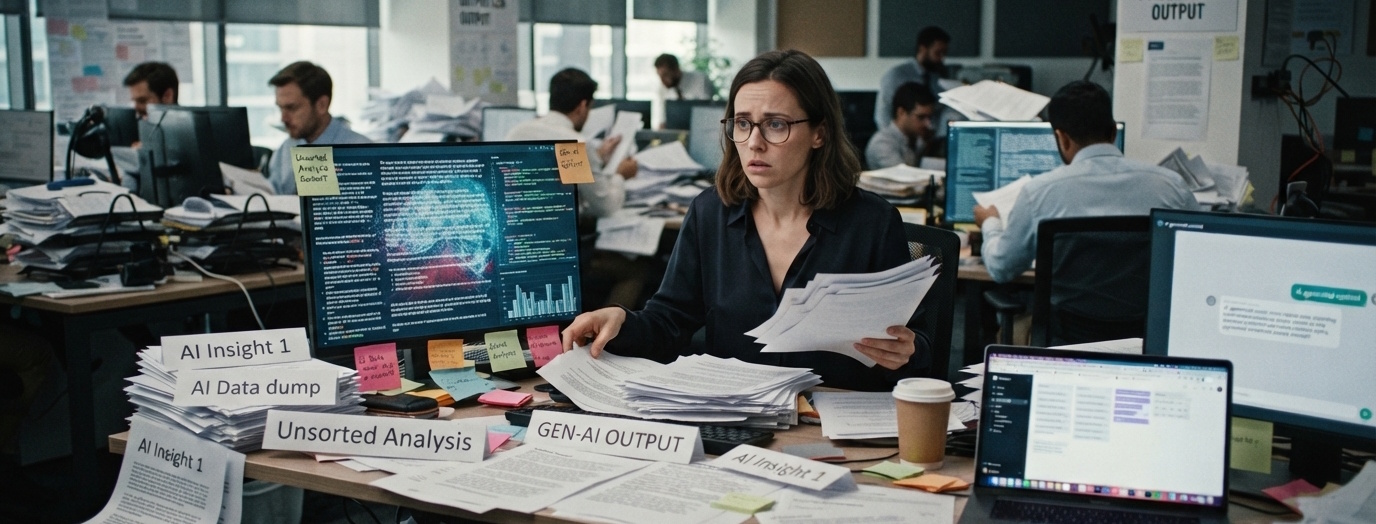
This is AI-generated output that looks finished but isn’t. It reads as competent and arrives fast, so it slides past scrutiny — until someone downstream has to find the error, unpick the decision, or wear the reputational cost. One global study estimates workslop costs a 10,000-person organisation close to US$9 million a year in lost productivity, in time spent by others cleaning up what should never have left the building.
The cause is not AI. The cause is a biological bandwidth limit that AI output arrives too fast to work around.
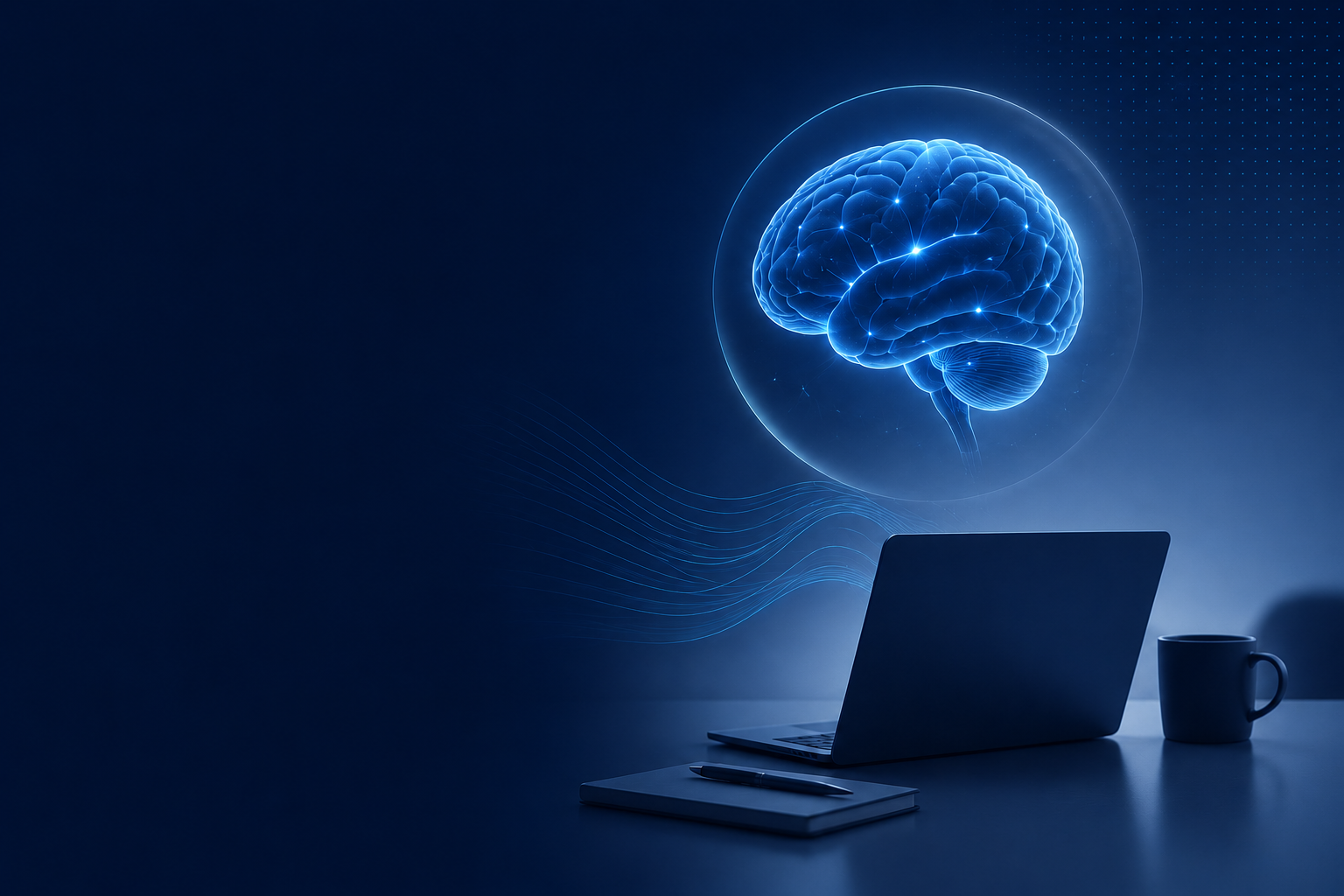
Technology performance is bound by human biology. While AI systems process and generate at machine speed, the end-user’s brain is still running on analog wiring. Under modern digital load, that gateway suffers from Busy Brain Syndrome (BBS) — and it doesn’t slow down, it shuts down.
System Saturation vs. Autopilot Circuit-Breaks
This isn’t the brain taking a shortcut. It’s the brain hitting a ceiling. Under fatigue, pressure, and volume, discernment doesn’t get skipped by choice — it goes offline as a biological response to overload. AI removes friction, and friction is where discernment used to live, but the deeper problem is that a brain in BBS state cannot reliably see the flaw at all, no matter how deliberate the person is trying to be. This isn’t a character flaw or a generational trait — it’s a predictable, measurable state, and it’s why people look directly at a flawed contract or a critical alert and don’t register it.
The solution is to enable your people to operationalise the innate human stop-and-think discernment skills that digital overload has annihilated. Our field-tested process allows individuals to re-engage their natural “discernment circuit-breaker” at the exact moment AI data is received. This re-activates the biological capacity to see errors, breaks the automated habit of blind approval, and stops the downstream drift of corrupted data.